


Table of Contents
ToggleThe Foundations of Meditation and Mindfulness
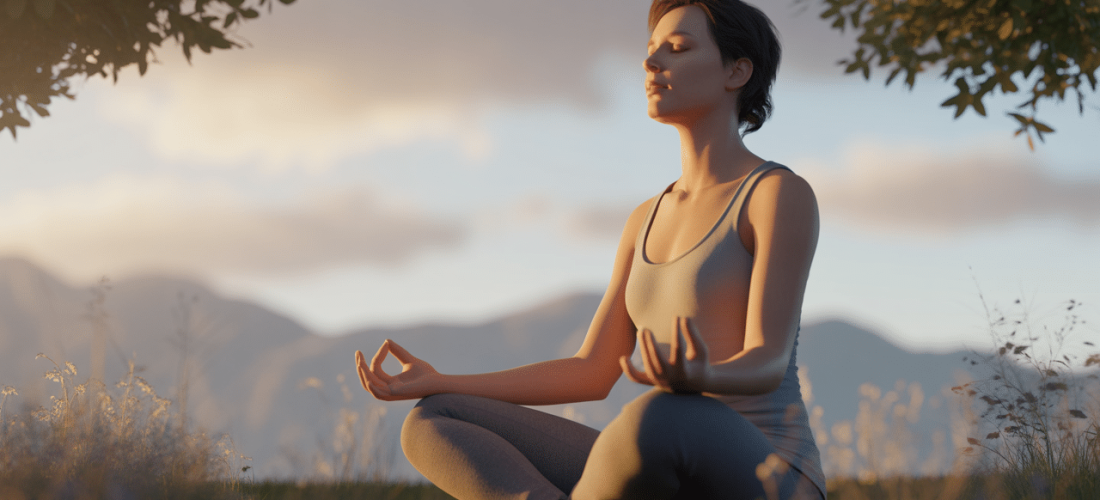
Meditation is an ancient practice that has transcended ages and cultures. It is based on simple yet profound principles. The essence of meditation is to cultivate mindfulness, meaning to be fully present in the moment, observing one’s thoughts and emotions without judgment. This process allows reaching a state of mental calm and inner balance, thus promoting a reconnection with oneself.
To understand meditation more deeply, it would be pertinent to explore its different forms. For example, guided meditation offers verbal assistance, ideal for those who wish to dive in without apprehension. There are also breathing techniques that help release accumulated tensions. These methods aid in refocusing attention and invite beneficial introspection.
Meditation is not only about a spiritual dimension; it also extends to physical and psychological well-being. Numerous studies have proven that regular meditation practice helps reduce stress and anxiety. By observing the breath, one learns to control reactions to disruptive emotions and to create a space of serenity. For those wishing to deepen their practice, a more integrative approach such as that of a sophrologist can offer additional tools for personal development.
The Psychological Benefits of Meditation
Regular meditation practice opens the way to a multitude of psychological benefits. First, it promotes better emotional regulation. By taking the time to observe thoughts passing through the mind without judgment, one learns to tame them. This helps reduce the impact of negative emotions, such as anger or sadness, and increases appreciation of moments of relaxation.
One of the remarkable findings of modern psychology is that meditation improves concentration. People who meditate notice an increase in their attention capacity. This translates into better performance in daily activities. In the long term, it can even lead to a renewal of internal energy resources, thus enabling one to face the stress related to everyday life.
Moreover, meditation practice opens a path to heightened self-awareness. By taking time to examine one’s thoughts, behaviors, and motivations, one develops a better understanding of oneself. Furthermore, emotions are brought to light, which invites healthier management of interpersonal relationships. Meditation thus serves as an inner mirror, reflecting aspects of oneself that might be ignored in the hustle and bustle of daily life.
Meditation Techniques for Increased Well-Being
When approaching meditation in a context of seeking well-being, there are various techniques tailored to each person’s needs. Among them, dynamic meditation offers a very beneficial path to action. It allows combining movement and meditation, an engaging way to learn to reconnect with oneself. Inner dance, for example, frees blocked emotions at the physical level and facilitates better energy flow.
Another technique is breath meditation, which consists of focusing one’s attention on the breath. By raising awareness of one’s natural rhythm, this method helps bring tranquility within, and it is accessible to all. With some practice, this technique can be applied at any time of the day, whether at work or at home.
By way of example, many therapists, such as a holistic therapist, incorporate meditation practices into their sessions. They also teach individuals how to use meditation to heal emotional wounds. In the long term, these approaches foster stable emotional balance and a harmonious inner life.
From Meditation to a Balanced Life
Meditation inspires developing a routine that fosters inner balance. By integrating moments of daily practice, one builds a solid foundation to face life’s challenges. This involves not only the individual but also their environment. Studies show that people who practice meditation increase their empathy and kindness towards others.
The transition to a balanced inner life also includes simple rituals, such as a morning calm time. For example, starting the day with a short meditation can help anchor positive intentions and prevent stress from taking over. This moment becomes a promise to oneself, an invitation to cultivate relaxation and serenity throughout the hours.
It is also interesting to note that meditation is not reserved for a specific time of day. On the path of reconnection, one can allow oneself to meditate at any moment. Whether going to work or during a break, these moments stolen from the daily frenzy are precious. The practice is all the more enriching when accompanied, for example, by a meditation consultant or a meditation practitioner.
Overcoming Obstacles to Meditation
It is common to encounter obstacles on the path of meditation. Initial resistance to inactivity or the feeling of not “meditating well” can discourage many people. It is essential to accept that these thoughts and feelings are normal. One of the secrets to overcoming these challenges lies in patience and persistence.
To overcome these troubles, it is advised to start with short sessions. A meditation lasting five to ten minutes may be more accessible, thus allowing a gentle approach toward longer durations. Over time, the practice becomes a pleasure, and the need to recharge grows naturally. Consistency is key. By integrating meditation, for example through guided meditations, practitioners record notable progress.
Challenges can also be related to having a physical space conducive to concentration. Creating a small corner dedicated to relaxation helps establish a warm atmosphere where meditation can unfold. Elements such as comfortable cushions, scented candles, or soothing sounds will promote a welcoming environment. Referring to a guide or therapist can also be of great help in this personal exploration.
| Common Obstacles | Proposed Solutions |
|---|---|
| Resistance to inactivity | Start with short sessions |
| Feeling of helplessness | Accept thoughts without judgment |
| Lack of quiet space | Create a dedicated meditation corner |
| Difficulty maintaining regularity | Integrate meditation into daily routine |


