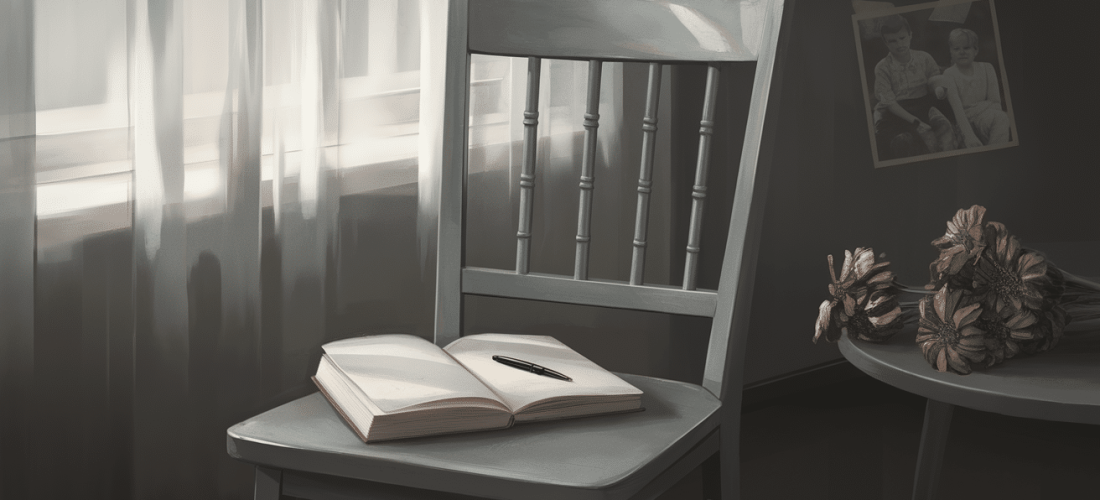
Unexpected departures of our loved ones are trials that upheave our existence. The pain that results can seem insurmountable, and the meaning of life is often called into question. Each story is unique, but a common thread weaves all these tragedies together: eternal grief and the quest for comfort. In this article, we will explore the mysteries of these early losses, the reasons behind these tragic events, as well as ways to find a glimmer of hope, even in the darkest moments.
Table of Contents
ToggleUnderstanding loss: reasons for the premature departure of our loved ones
The causes of premature departures are as varied as they are heartbreaking. From a sudden illness to a tragic accident, each situation leaves unanswered questions behind. Why did someone so dear have to leave this world so young? It is often difficult to grasp the meaning of these events. Yet, it is appropriate to explore these reasons, even if it does not change the reality of the pain.
Physiological and social factors
Many premature departures can be linked to physiological factors. Hereditary diseases, severe infections, or accidents are all triggers that can lead to tragic losses. For example, a degenerative disease, although present for a long time, can take a fatal turn at a moment when it was unexpected. Additionally, social factors play a crucial role; stress, toxic environments, and violence can have a direct impact on the lives of our loved ones.
- Chronic diseases (e.g., cancer, heart diseases)
- Domestic accidents
- Violence (domestic, traffic accidents)
The spiritual dimension: another perspective on loss
As difficult as it may seem, it is sometimes helpful to consider the spiritual dimension of departures. In many cultures and philosophies, it is believed that souls choose when and how they must leave this world, often for reasons that we, as human beings, find hard to understand. This perception can bring infinite comfort to grieving people, allowing them to consider loss as part of a larger plan.
Shared grief: a collective experience
It is essential to recognize that the pain caused by a premature departure is not only personal; it is especially shared. Support groups, mourning circles, or even informal conversations allow individuals to share their feelings and experiences. This opens the way to mutual understanding and empathy, cultivating a support network around suffering.
| Type of pain | Examples | Support methods |
|---|---|---|
| Loss of a child | Neonatal death, incurable disease | Group support, specialized therapists |
| Loss of a partner | Accident, sudden illness | Friends and family, support circles |
| Loss of a friend | Suicide, unpredictable violence | Memorial meetings, sharing sessions |
Understanding these various dimensions of loss can help soothe the fears and anxieties of grieving loved ones. The mysteries surrounding these early departures can, through empathy and solidarity, bring a glimmer of hope in the darkness.
Releasing memories: the delicate path after the departure of a loved one
The grieving process after the loss of a loved one is an individual experience but can also be the subject of mutual sharing. Emptying the house of a deceased person, facing objects charged with emotions, and navigating between happy memories and inevitable sufferings is a delicate path. It is here that the art of mourning fully expresses itself. Finding a balance between memory and suffering is a challenge, but it is essential to move forward.
Preserving memories
After the departure of a loved one, asking how to honor their memory is essential. It is important to consider different ways to preserve memories:
- Create a photo album or a collage of memories
- Write a letter to the deceased, describing one’s feelings
- Plan a ceremony in their honor
The impact of objects
Objects left behind can be sources of comfort but also of pain. Every garment, every photo is charged with powerful memories. While some people prefer to keep these memories, others may feel the need to give them away or store them. This process can resonate in various ways:
- Keep precious objects in a dedicated space
- Give personal effects to relatives or associations
- Reuse objects to create commemorative works
The role of the community
The circle of loved ones plays a crucial role in the grieving process. Unconditional support from relatives, friends, or even community groups is essential. The importance of expressions of love cannot be underestimated. Sharing experiences with others going through a similar situation can offer powerful perspectives and tools for healing.
| Type of support | Examples | Benefits |
|---|---|---|
| Psychological support | Group therapies, individual sessions | Helps express emotions, understand suffering |
| Commemorative activities | Ceremonies, sharing stories | Creates bonds, shared memories |
| Passing rituals | Memorial days, spiritual rituals | Sense of closure, integration of memories |
Approaching the post-loss journey of a loved one by communicating about feelings, creating rituals, and relying on external resources can bring infinite kindness during this painful crossing.
How to overcome the pain of losing a parent
The loss of a parent remains one of the most painful trials one can go through in life. When a parent leaves this world prematurely, the shock and pain can seem insurmountable. In this section, we will explore the different stages related to this painful experience and how to find the path to healing.
The different phases of grief
The grieving process often manifests through several phases, as shown by psychologist Elisabeth Kübler-Ross. These stages, although not linear, provide a framework to understand the complexity of grief:
- Shock: The first reaction is often shock and disbelief. One does not immediately realize the severity of the loss.
- Anger: This feeling may be directed towards God, life, or even oneself. It is a natural and necessary emotion.
- Bargaining: The bereaved may wish that things were otherwise, seeking imaginary solutions to reverse the facts.
- Depression: This is a common phase where feelings of despair and suffering manifest.
- Acceptance: The last stage where one begins to find peace and make peace with the reality of the loss.
Resources to move forward
Grieving individuals can benefit from various resources to help them overcome their pain. Joining a support group or consulting a therapist is essential to get through this moment. Books, podcasts, or even documentaries can also offer interesting perspectives. Here are some suggestions:
- Books: Works like “The Course of Time” by Alain de Botton provide insight into the grieving process.
- Podcasts: Testimonials and discussions on platforms like Spotify or Apple Podcasts allow further exploration of the subject.
- Group therapy: Sharing experiences with others who are grieving helps to feel less isolated.
Remembering together: the importance of rituals
Performing rituals in memory of a parent can also help to overcome grief. Celebrating birthdays, creating a memorial space, or making donations in their name are ways to keep their memory alive. This type of personal engagement is a powerful way to honor the other and find a path to inner peace.
| Ritual | Meaning | Ways to perform it |
|---|---|---|
| Lighting a candle | Symbolizes light and eternal love | During birthdays or special holidays |
| Creating a memory album | Preserve and celebrate shared moments | Gather photos and meaningful objects |
| Sharing stories | Keep their memory alive | Organize family gatherings or friend groups |
With time and appropriate support, it is possible to transform grief into precious memories and love stories that will accompany each person’s journey.
Invisible scars: how to manage recurring grief
For some people, the departure of a loved one is not limited to a single loss. Successive deaths in the same family or close circle can create an experience of intensified pain. These invisible scars can lead to questioning the logic of life and death. How does one manage this emotional mess?
The phenomenon of cumulative grief
Cumulative grief occurs when one loses several loved ones in a short period of time. This phenomenon often leaves people in a state of extreme confusion, multiplying feelings of loss and misunderstanding. It can be accompanied by symptoms such as anxiety, sadness, and increased vulnerability. Why do these successive losses happen? A number of factors can be responsible, such as:
- Proximity of tragic events
- Environmental factors (disasters, crises)
- Family predisposition to certain illnesses
The healing process: key steps
People affected by multiple losses face unique challenges. To get through this mountain of pain, it is helpful to adopt certain strategies. Setting realistic goals, engaging in soothing activities, or seeking sincere spaces for dialogue can help manage emotions:
- Set healing goals
- Practice meditation or mindfulness
- Participate in a support group for the bereaved
Reconnecting with others
Finally, it is crucial to reconnect with others, as sharing pain allows one to feel shared suffering. Several studies show that those who express their grief in groups often begin to heal faster than those who choose to remain isolated. It is in this spirit that one might consider support groups, therapists, or even caring friends who offer a listening ear.
| Approach | Suggestions | Benefits |
|---|---|---|
| Type of group | Support groups for hardened individuals | Creates bonds, mutual understanding |
| Outdoor activities | Walks, hikes | Inspiration, peace of mind |
| Story exchanges | Writing or storytelling workshops | Letting go, restoring connection with memories |
Remember that these scars do not make us victims, but rather survivors, and that every pain experienced can become a strength to help others on the same path.
Honoring deceased loved ones: Their influence on our life
The loss of a loved one does not mean they no longer impact our lives. On the contrary, their influence can continue to illuminate our path in a beneficial way. Honoring their memory can be a source of lasting comfort, transforming their absence into a motivating drive.
Creating a living legacy
Deceased individuals often continue to influence how we act, love, and live. By creating a living legacy, we can pay tribute to them while ensuring that their memory remains firmly anchored within us:
- Establish a scholarship in their name
- Launch an awareness campaign on a cause they cared about
- Write a book or a blog to share their story
Signs of their presence
Many bereaved people report sensing signs or troubling coincidences that seem to testify to the presence of their deceased loved ones. Whether through dreams, sensations, or even traffic lights, these memory echoes can bring comfort and connection, indicating that our loved ones are still, in some way, by our side.
Love that endures
Ultimately, the bond of love that unites the living with the deceased is indissoluble. This love remains intact, transcending the boundaries of life and death. Expressions of love endure in everyday gestures, materializing in our thoughts and behaviors. We remember together, and herein lies the beauty of life — in how we will honor their memory through our actions.
| Memory | Ritual | Impact on our life |
|---|---|---|
| Significant events | Create an annual event | Sense of continuity, growing affection |
| Memorials | Visit symbolic places | Reflection, moment of serenity |
| Art and creativity | Create a work of art or write | Affective expression, transcendence of grief |
The mysteries of the premature departure of our loved ones should never plunge us into darkness. On the contrary, these trials can become opportunities to create lasting memories, honor the legacy of those we have lost, and move forward with a new understanding of love and hope.