


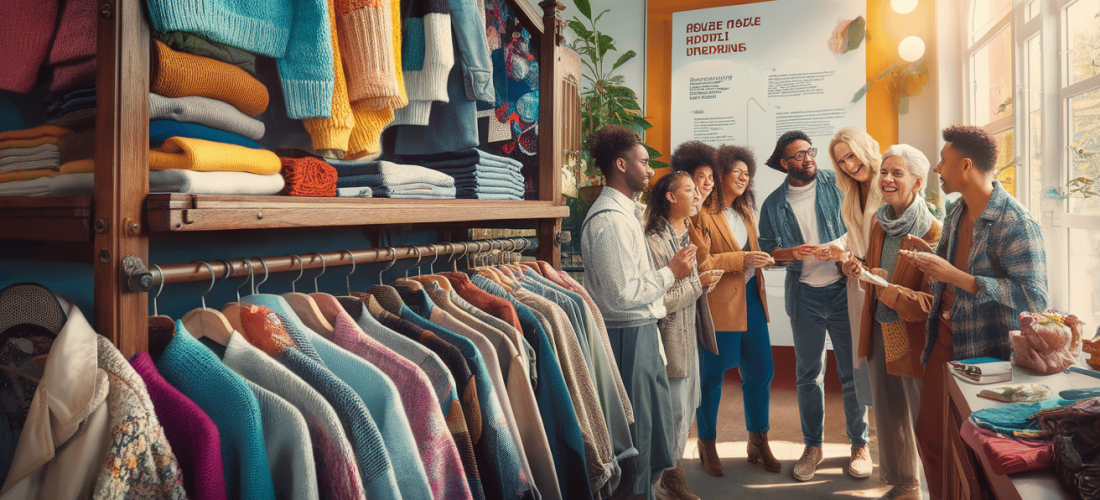
In our modern world, where fast consumption has worrying environmental consequences, exploring the implications of second-hand clothing reveals fascinating dimensions. Used clothes are not only an economical alternative, but they also open the door to deep reflection on the residual energy that might be connected to them. What is it really about? This article examines this intriguing question.
Table of Contents
ToggleUnderstanding the residual energy of clothing
Feeling the energy of a garment may seem esoteric to some, but there is logic behind this notion. Every object we touch, including used clothes, has a history and experience. These clothes absorb the emotions and energy of their previous owners, which raises questions about what we bring home through these pieces. Exploring this concept begins with understanding the energy we share and transmit.
The intention behind the purchase
Intention plays a crucial role in how the energy of a garment may manifest. When we choose to buy second-hand clothes, this gesture can be seen as an ethical and sustainable action. Used clothes represent not only savings but also a will to consume differently. This intention opens the door to positive energy. Thus, going to a thrift store can be a revitalizing experience, where each chosen piece is like an oasis of new stories to discover.
The emotional imprint of previous owners
The more a garment has been worn, the more its energy imprint will be marked. A dress belonging to a loved person can bring warmth and comfort. Conversely, a piece whose history is charged with negative emotions may, on the contrary, generate unfavorable energy. Recognizing this link is essential so as not to be influenced by stories we do not know. When visiting a thrift store, let us stay attentive to the sensations each piece awakens in us.
The process of connecting with the energy of clothes
There are several methods that can help us establish a connection with the energy of our used clothes. It begins by welcoming the piece as a new part of our life. When we come into contact with a garment, it is crucial to pay attention to our feelings. If at first glance we feel attracted to a piece, this may be a sign that it has vibrations that resonate with us.
Feeling the vibrations
For a deeper connection, it is recommended to touch the garment and let our intuition guide our feeling. It is at this moment that we can truly dwell in the energy of the piece. A garment can evoke memories, dreams, or even vibrations that we cannot define but still feel. By reconnecting with our intuition, we can choose pieces that not only please us but also bring us positivity.
Cleaning and purification
For those of us who feel unwanted energies, there are simple rituals to purify a second-hand garment. First of all, washing is a key step. By thoroughly cleaning our clothes, we offer them a new chance for reinvention while discarding old energies. To go further, using incense or essential oils during cleaning can also help infuse new vibrations. This also reminds us that every object needs space to flourish, even through a cleaning process.
Cultural perceptions regarding used clothing
In various cultures, the view on used clothes varies. In some societies, buying second-hand is a sign of creativity and sustainability. In others, it may be seen as a lack of means. Whatever our culture or beliefs, it is important to transform this perspective into an opportunity for exchange and learning. Every garment has a story that deserves to be told.
Changing our perspective
It is highly beneficial to change our perspective on the remnants of the circular economy. Recognizing that every piece is an opportunity to reduce textile waste can only motivate us to include more used pieces in our wardrobe. Realizing that this process helps not only the environment but also allows the discovery of hidden treasures can make the experience even more rewarding.
The stories of second-hand clothes
Second-hand clothes often carry precious stories with them. What may appear as a simple piece of fabric may have witnessed significant events. Ignoring this depth hidden behind each piece would mean missing a beautiful opportunity for appreciation. Why not question the history of these clothes and thus contribute to their new narrative?
The ecological impact of second-hand fashion
Second-hand clothes have a major role to play in the fight against the environmental crisis. By promoting this practice, we contribute to waste reduction and reduce the impact of producing new clothes. Simply wearing an old garment can have positive repercussions on our environment.
The second-hand revolution
It is encouraging to see that buying used is becoming trendy. This is accompanied by greater awareness of environmentally friendly practices. It is a magnificent step toward more sustainable fashion that fits into responsible consumption. For example, a second-hand item consumes less water and energy than its new version, but what is even more significant is the absence of a carbon footprint associated with producing a garment.
Reducing our carbon footprint
By opting for second-hand, every consumer becomes an agent of change. The numbers show that extending the lifespan of a garment can significantly reduce its carbon footprint. Let us therefore reflect on the impact we can have, not only for ourselves but also for future generations who will benefit from this transition to a more sustainable world.
Energy and circular economy
The circular economy is based on the principle that our resources must be used optimally. Second-hand clothes are an integral part of this movement. By allowing items to be reused, we integrate a dimension of positive energy into each piece. In doing so, we enrich not only our wardrobes but also the environment.
Reinventing our wardrobe
The process of experimenting with used clothes can be a fascinating adventure. Give free rein to your creativity, mix, match, and personalize to give these pieces a new life. Why not incorporate these unique pieces into your wardrobe and start a conversation about their origin? Every item tells a story, and by wearing it, you become the narrator.
The future of used clothing
It is encouraging to see that more and more people are turning to second-hand clothes. This change in trend reflects a growing awareness of the environmental and social impacts of our clothing choices. By embracing these practices, we open the way to a future where fashion is not only a matter of aesthetics but also of respect for the environment and the underlying stories.


