


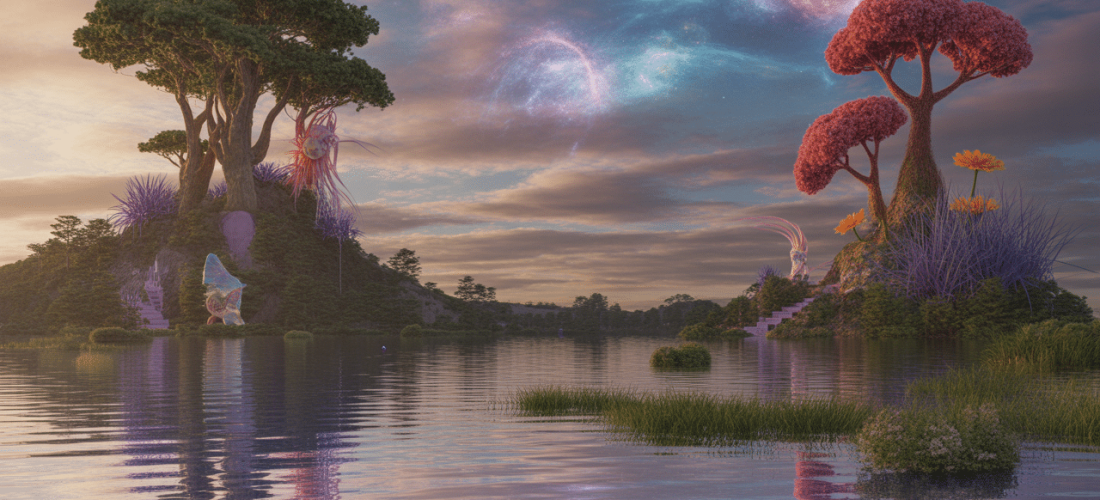
The power of human imagination knows no limits. It manifests itself through many aspects of daily life, influencing our thoughts, emotions, and actions. Identifying the different manifestations of imagination is essential to better understand its crucial role in personal development and creativity.
Table of Contents
ToggleImagination: an invaluable creative power
Creativity is a direct expression of imagination. It allows the human mind to innovate, dream, and conceive ideas. Artists, for example, use their imagination to create unique works that captivate the audience. Whether in painting, sculpture, or music, imagination becomes the engine of artistic creation. To illustrate this concept, let’s take the example of Vincent van Gogh, whose starry painting reflects incredible light and emotions, born directly from his imagination. Likewise, writers like Gabriel Garcia Marquez knew how to transform reality into fantastic stories, blurring the boundaries between the real and the imaginary.
In the business world, imagination is just as crucial. Companies that excel in design and innovation often rely on a culture that encourages creativity. Companies like Apple and Google have been able to capitalize on the imagination of their employees to create revolutionary products. Imagination is not limited to art but extends to product design, advertising, and even management.
The different forms of creative expression
Forms of creative expression are varied and adapt to each individual. Discovering those that speak to you the most can greatly enrich your existence.
- Visual arts: painting, sculpture, photography
- Performing arts: theater, dance, music
- Writing: fiction, poetry, essays
- Design: fashion, graphic design, architecture
- Digital: digital art, video games, animation
These various categories offer as many opportunities to explore and develop one’s imagination. Whatever the chosen field, the key lies in the willingness to express oneself and to give free rein to inventiveness.
| Art Form | Expression of Imagination | Impact on the Audience |
|---|---|---|
| Painting | Use of innovative colors and shapes | Evokes strong emotions |
| Music | Creation of unique melodies and rhythms | Creates atmospheres and memories |
| Writing | Conception of captivating stories | Inspires reflection and escapism |
It is crucial to recognize that every form of art contributes to a part of the richness of collective imagination. By exploring these vast domains, everyone can find their voice and participate in this beautiful symphony of creativity.
The psychological function of imagination
Imagination plays a fundamental role in human psychology. It not only allows creation but also problem-solving and planning for the future. Indeed, thanks to imagination, it is possible to simulate situations and evaluate their consequences before acting. For example, a student can mentally visualize passing an exam. This positive visualization can strengthen motivation and performance.
Daydreaming, a kind of inner journey, is sometimes stigmatized but is essential for mental health. It allows the individual to escape reality, dream of a better life, or explore possibilities they would not dare to consider in reality. Psychologists affirm that this practice of daydreaming is beneficial for emotional well-being.
The benefits of imagination on mental health
There are several benefits related to the development and use of imagination in daily life:
- Stress reduction: escaping through creation or daydreaming reduces stress and anxiety.
- Problem-solving stimulation: imagination allows exploring alternative solutions.
- Improved self-confidence: visualizing success fosters a positive attitude.
- Emotional release: expressing feelings through art or writing helps manage complex emotions.
By using these tools, it is possible to transform pain or discomfort into inspiring and meaningful works. The beauty of imagination lies in its ability to transcend psychological barriers and promote a path to healing.
| Mental Health Aspect | Impact of Imagination | Methods Used |
|---|---|---|
| Stress management | Reduction of anxiety symptoms | Art, meditation, daydreaming |
| Creativity | Increase in idea flow | Art classes, writing workshops |
| Self-confidence | Visualization of successes | Visualization exercises, affirmations |
These initiatives illustrate how imagination, as a psychological resource, can enrich lives by enabling envisioning better futures.
Techniques to nourish your imagination
Nourishing your imagination requires constant commitment. There are various techniques to stimulate this faculty, allowing everyone to develop their creative thinking.
Among these techniques, meditation proves particularly effective. It creates a mental space of calm, allowing ideas to flow freely. Paired with creative writing or drawing exercises, meditation helps channel thoughts into concrete projects.
Practical exercises to develop imagination
Here are some practical exercises to nourish imagination:
- Free writing: writing without stopping for a set time – this encourages creativity.
- Drawing or painting: experimenting without pressure on the final result, just to express oneself.
- Visualization: imagining a place, situation, or character in detail to strengthen creativity.
- Participation in workshops: joining art, theater, or writing groups encourages creative interactions.
These activities open doors to new realms of creativity and originality. Through such practices, individuals can discover unsuspected facets of their imagination.
| Technique | Description | Benefits |
|---|---|---|
| Meditation | Practice mindfulness and relaxation | Clarity of mind, stress reduction |
| Free writing | Express thoughts without censorship | Release of expression and increased creativity |
| Visual arts | Creation with varied materials | Development of artistic intuition |
By integrating these techniques into daily routine, anyone can build a rich and evolving imagination practice.
The limits and challenges of imagination
However, it is essential to be aware of the limits and challenges that imagination can present. Sometimes, it can also be a source of blockages. Creative people may face phenomena such as the impostor syndrome, where they doubt their creative worth despite significant achievements.
Daily distractions, as well as social pressure, can also hinder this ability. Many artists feel inhibited by high expectations from their audience or surroundings. In such cases, it becomes crucial to establish a healthy distance from external influences.
Overcoming obstacles to creativity
To face challenges inherent to imagination, here are some useful strategies:
- Set boundaries: determine specific times to devote to creation without interruptions.
- Accept failure: understand that every failure is a learning opportunity and a chance to adjust one’s approach.
- Reconnect with oneself: spend time alone to reflect and nurture one’s own imagination.
- Collaborate with other creators: exchanging ideas and working together can rekindle the flame of creativity.
These strategies help create an environment conducive to creative expression. Navigating between the challenges and opportunities of imagination, it is possible to cultivate limitless creative momentum.
| Challenge | Strategy to overcome it | Expected Outcome |
|---|---|---|
| Impostor syndrome | Practice self-assertion | Strengthening confidence in one’s skills |
| Distractions | Create dedicated spaces for creation | Improved creative flow |
| Social pressure | Focus on one’s own goals | Freedom of expression |
It is essential to recognize that imagination is a skill that can be developed and cultivated over time. By tackling obstacles and embracing creativity, everyone can live a fulfilling and imaginative life.


