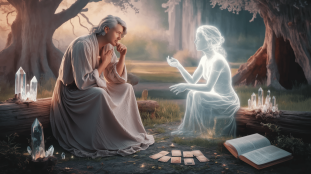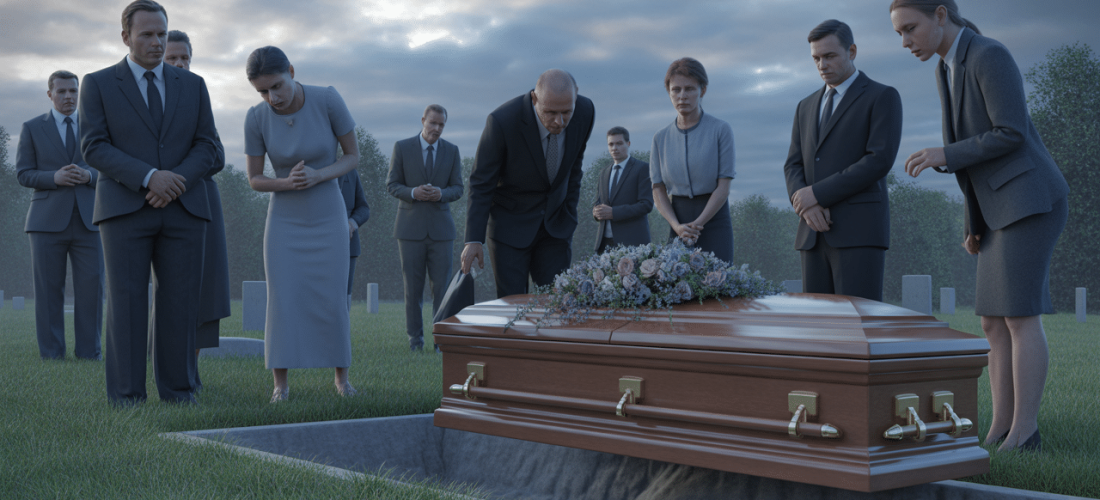
The mysteries surrounding death and the experience of the deceased during their burial raise deep and often troubling questions. In our society, the perception of death is constantly evolving, blending both traditions and spirituality. Many people wonder what really happens beyond this threshold. At a time when funeral rites play an important role in the grieving process, it becomes essential to try to understand what a soul might feel at the moment of its departure and during its burial.
Table of Contents
ToggleThe stages of death and their meaning
Death, often perceived as an end, is actually a complex process that thanatology, the study of death, tries to analyze. This phenomenon is marked by various stages, each bearing symbolic and emotional importance. During these stages, a deceased person is surrounded by feelings and manifestations that can be perceived by those who remain.
The agony phase
In the final moments, the agony phase can reveal astonishing signs. Loved ones often report a sudden calm in the sick person, as if the soul were preparing to leave the body. This moment is often imbued with a mix of emotions: the fear of leaving and yet a palpable serenity. Many affirm having observed atypical behaviors in their loved ones at this stage, such as vacant stares or whispers in response to invisible visions. These elements raise the question of post-mortem consciousness and what the deceased might perceive around them.
Symptoms before death
Emotional hypervigilance often manifests during the final moments of life. Changes in breathing accompanied by sighs are noted, sometimes even whispered words. These elements can be perceived as attempts at communication between the deceased and their surroundings. A table of manifestations could illustrate these symptoms:
| Symptoms | Meaning |
|---|---|
| Sighs | Release of accumulated emotions |
| Fixed gaze | Vision of what happens in the afterlife |
| Whispered words | Communication with loved ones already deceased |
Signs of death perception and funeral rites
Funeral rites vary from one culture to another and have deep significance. They contribute not only to honoring the memory of the deceased but also to facilitating the soul’s passage to the beyond. Each ceremony is filled with symbols that testify to the spirituality present during these difficult moments.
Rituals and ceremonies around the burial
Burial ceremonies are often an occasion for rituals that are part of the family or cultural history of the deceased. These acts are filled with emotions and profound meaning. Key elements of these rites include:
- The preparation of the body: A process symbolizing respect and love given to the deceased.
- Prayers and chants: Elements often present to accompany the soul on its journey toward peace.
- Offerings: Symbols of love and memories left for the deceased.
Each of these acts contributes to the spirituality that surrounds the crucial moment of the burial. For those attending these rites, it is often possible to feel a spiritual connection with the deceased, an almost tangible impression of presence.
Spiritual beliefs
Beliefs concerning life after death vary greatly. For some, the soul remains attached to the world of the living for a certain time. This phenomenon raises questions about grief and the ability of loved ones to perceive signs of this persistent presence. Over the centuries, many people have reported near-death experiences that reveal this closeness to the other world. These experiences are often accompanied by visions, overviews, and a feeling of unconditional love.
Emotions felt during the burial
Funerals are moments charged with emotions. The loss of a loved one brings a multitude of complex feelings, ranging from sadness to anger, including relief. It is interesting to explore how these emotions intertwine with the events of the burial.
The range of emotions felt
During a burial, different states of mind may coexist. Those present at the ceremony may feel a palette of emotions and perceptions:
- Sadness: One of the most evident emotions, the loss of a loved one often causes deep sorrow.
- Relief: For some, the fact that the suffering of their loved one is coming to an end can bring a feeling of peace.
- Anger: Suffering can degenerate into anger, whether toward the illness, the death, or even oneself.
These complex feelings express the internal struggle between grief, absence, and the attempt to reconnect with the deceased. Throughout the ceremony, it is likely that signs of the deceased’s soul will emerge, offering comfort and solace to those who mourn.
Why do some people feel the presence of the deceased?
This phenomenon raises many questions about the very nature of “life after death.” For many, perceiving the presence of a loved one during a burial reflects the love that endures beyond death. This bond that persists between the living and the deceased helps shape and enrich mourning customs. Strong emotional ties and shared memories allow a spiritual connection over time.
Concepts of life after death
The question of what happens after death is universal and touches all cultures. Beliefs around life after death vary, but they all share one common point: the existence of a link between the living and the deceased. Stories and testimonials, often related to near-death experiences, reveal fascinating perceptions around this subject.
Near-death experiences
Many people, after nearing death, describe experiences that defy understanding. These accounts speak of sensations of ecstasy, a dazzling light, and encounters with deceased loved ones. Recurring elements include:
- A feeling of peace: Numerous testimonies speak of an absence of anxiety and a regained serenity.
- Spiritual visions: Many describe the sensation of being carried by a light or meeting spiritual entities.
- A return to the body: Often, people who have had a near-death experience report a will to return to life, motivated by deep love for their loved ones.
These experiences challenge our understanding of consciousness and its existence after death. They encourage questioning the perceptions we have of souls, and their continuation after burial.
The link with deceased loved ones
Contact with the deceased, whether in the form of dreams, moments of lucidity, or tangible signs, strengthens belief in a spiritual existence beyond death. Manifestations of souls, burial sites, or memories are often softened by the gentleness of memories. An intact emotional bond between the living and the deceased strengthens the grieving process, offering a transformation of sorrow into a precious memory.