


Table of Contents
ToggleMeditation and Liberation from Curses
Guided meditation is a powerful tool for those who aspire to free themselves from curses and daily contempt. By focusing on visualizations and guided techniques, it becomes possible to access deeper layers of the mind. Thus, the practice not only promotes a purifying awakening, but also helps to recover an essential guided inner freedom for the serenity of the being.
Meditation, in its essence, presents itself as a path to harmony. The implementation of guided meditation practices, specially designed for spiritual liberation, acts as a means to access The Delivered Space. This space is an indispensable condition in the process of personal healing, where each participant can consider their curses no longer as obstacles but as opportunities for evolution.
Curses, often perceived as outdated or unfounded, leave indelible marks on the soul. Indeed, these negative influences can come from hurtful relationships, past events, or even mistaken beliefs. Guided meditations then provide a way to deconstruct these harmful beliefs through adapted exercises, using the power of affirmations and mental visualizations. During meditation sessions, one can consider stating liberating phrases, encouraging the mind to accept its own worth and detach from external judgments.
Here is an example of some effective guided meditation techniques to free oneself from curses:
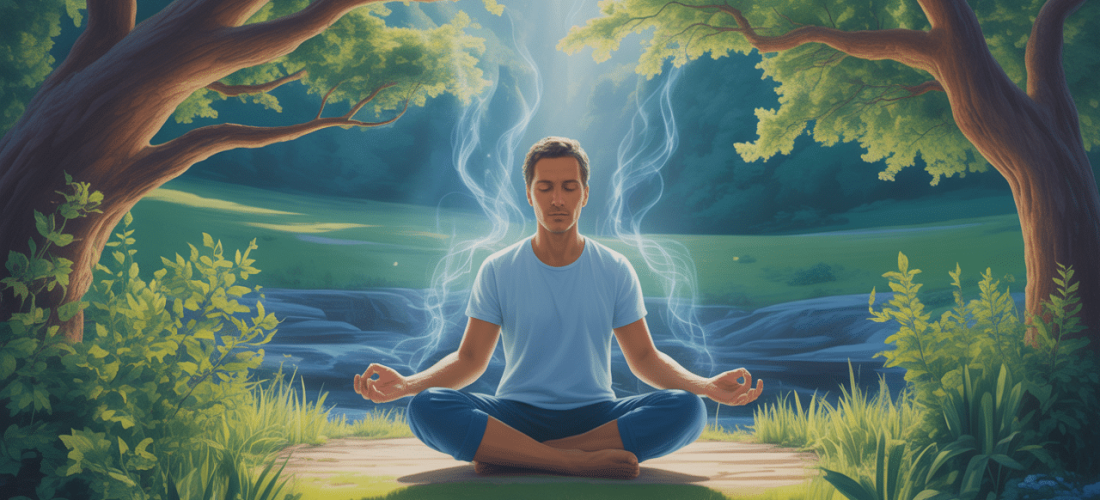
- Liberating visualizations: Imagine a soft ray of light enveloping the body, penetrating every part, and dissipating negative energies.
- Positive affirmations: Repeat phrases such as “I free myself from all chains of the past” or “I am at peace with my past” to reinforce feelings of security and self-worth.
- Forgiveness meditation: Accept releasing grudges, both towards oneself and others, to pursue a path of total healing.
The structure of such a practice can be reinforced by repetition. This echoes the idea that the mind needs time to integrate new beliefs and detach from old ones. Regular practice of guided meditations acts as a transcended harmony, allowing one to reach a state where negative influences can no longer take root. A guided session could also be structured to include moments of silence, facilitating a connection with the higher self and promoting necessary introspection.
Meditation is a dynamic process, and with each session, a release is revealed, bringing continuity in self-discovery. This process goes far beyond mastering emotions; it involves establishing a solid foundation for a fulfilled life. Each individual is invited to practice in a state of judgment-free serenity, thus allowing fearless exploration of personal wounds.
| Technique | Description | Objective |
|---|---|---|
| Visualizations | Imagine a safe and serene space | Release inner tensions |
| Affirmations | Repeat power phrases | Strengthen self-confidence |
| Forgiveness | Express feelings of understanding | Soothe emotions |
Detection of Emotional Wounds
Emotional wounds are a fundamental aspect to consider during guided meditation. These wounds, often rooted in past experiences, can strengthen the cycle of pain and contempt. The key to moving forward lies in recognizing these wounds while arming oneself with tools to heal them.
The detection process often begins with introspective meditation. In moments of calm, it is possible to connect to one’s whisper of light, an inner voice that allows identifying unresolved pains. This recognition is essential; without it, healing remains superficial. Repressed emotions must be welcomed rather than denied.
A practical example consists of training the mind to focus on a particular moment of pain. During this inner journey, the individual can be guided towards acceptance of this wound, acknowledging the impact it has had on their life. It is crucial to take note of physical sensations and emotions that arise in these moments.
Here are some steps to facilitate the detection of emotional wounds:
- Take a moment in silence: Sitting or lying down, close the eyes and breathe deeply.
- Visualize the pain: Picture a painful moment without judgment.
- Welcome the emotions: Allow feelings to emerge to understand their origins.
- Practice self-forgiveness: Whisper comforting words to oneself.
For those hesitant to face deep wounds, meditation can also involve the use of symbols. For example, imagining a broken chain or an open door allows materializing the release of burdens. This symbolic process helps establish a tangible connection with the healing work.
The path to emotional healing can be difficult, but with an open mind and sincere intentions, it is possible to reach a judgment-free serenity. Accessing this state of mind encourages a succession of positive experiences and nourishes the capacity to love and accept others while preserving oneself.
| Step | Description | Goal |
|---|---|---|
| Silence | Access a space for reflection | Listen to inner sensations |
| Visualization | Represent pain in the form of a symbol | Facilitate acceptance |
| Self-forgiveness | Whisper gentle words to oneself | Encourage healing |
Developing Meditation as a Practical Tool in Daily Life
Meditation should not be limited to dedicated sessions. It can become a true ally at the heart of daily life. To ensure a productive integration of this practice, it is essential to recognize favorable moments for meditation throughout the day. With a little creativity and discipline, everyone can immerse themselves in observation and contemplation.
One of the simplest methods to integrate meditation into daily life is the practice of solar plexus meditation. This technique consists of focusing on the belly region, the center of emotions and security. Having a daily routine of solar plexus meditation, even for a few minutes, helps maintain a bodily connection and achieve a return to oneself.
The benefits of this approach will consist of balancing emotions and reducing stress, while promoting mental clarity. By incorporating small moments of meditation throughout the day, it becomes possible to create a purifying awakening that unfolds harmoniously.
To do so, here are some practical tips to allow meditation in everyday life:
- Briefly incorporate moments of reflection after each meal: allow the mind to slowly digest the day’s events.
- Practice mindful walking: pay attention to each step while breathing deeply.
- Use visual reminders: post-its with affirmations on mirrors or desks to strengthen positive thoughts.
This harmonious approach helps cultivate peace. By encouraging the emergence of a transcended harmony, the meditation process integrates into the workings of daily existence. Establishing a regular practice, even sporadic, proves essential to build a solid foundation. Each of these strategies has the effect of strengthening the ability to access the relaxation state necessary to regain calm, even in stressful situations.
| Moment | Technique | Expected Result |
|---|---|---|
| After meals | Gratitude meditation | Enhance the appetite for serenity |
| During breaks | Conscious breathing | Calm the mind before resuming |
| In the morning | Stretch while meditating | Prepare the day gently |
Create a Sacred Space for Meditation
One often overlooked aspect when speaking of meditation is the importance of the space where this practice takes place. A peaceful and consecrated environment strengthens the effectiveness of meditation and allows the individual to fully concentrate on their spiritual path. Creating such a space at home offers an invitation to tranquility and opens the way to guided inner freedom.
To build this sacred space, every detail matters. Elements such as comfortable cushions, candles, inspiring books, or any other form of art can contribute to creating an ambiance conducive to reflection. It is encouraging to adapt the space to the senses, integrating soft lighting and relaxing scents, such as essential oils or incense, thus creating an atmosphere where body and mind feel safe.
Here are some steps to establish an effective meditation space:
- Choose a quiet place: A corner of the home, away from daily distractions, where the individual can fully devote themselves to their well-being.
- Incorporate personal elements: Objects that evoke serenity and happiness to nourish the soul.
- Ensure cleanliness: A tidy space helps clarify the mind and feel safer.
Once the sacred space is established, it becomes essential to honor it regularly. By visiting it with intention, each meditation becomes a personal ceremony. This allows renewing the commitment to oneself and fostering spiritual growth. Over time, this space can become a familiar refuge, associated with moments of intense transformation and release from emotional chains.
Through the devotion placed in this meditation space, each individual is invited to rise towards a calm flight, far from the turmoil of the outside world. The faithful agreement between oneself and this sacred space forms the foundation of a true and lasting meditative practice.
| Element | Impact | Use |
|---|---|---|
| Meditation cushion | Physical comfort | Help maintain a correct posture |
| Soft lighting | Promote relaxation | Create a serene atmosphere |
| Personal artwork | Inspire creativity | Elevate the mind and heart |


